
South Jersey · Concrete, Masonry & Sidewalks
Concrete, Masonry & Sidewalks
Foundations, driveways, walkways, and masonry built on proper base preparation — the part that decides everything.
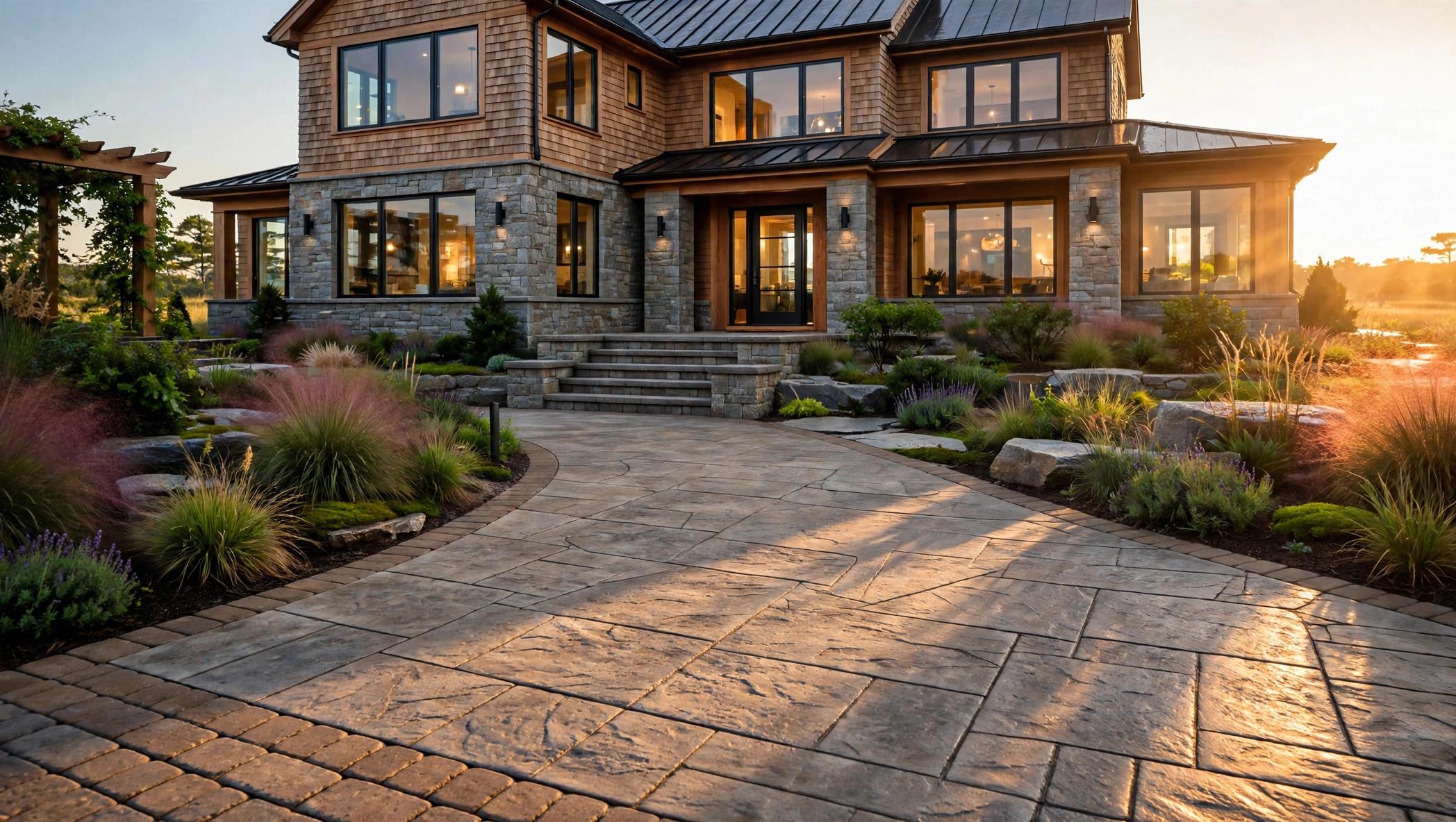
The problem this solves
Concrete cracks and settles for reasons that are almost always underneath it: poor base compaction, bad drainage, or freeze-thaw working on a slab poured without the right joints. Surface patches over a bad base are money spent twice.
How we approach it
We assess the base and drainage first, then pour or rebuild with the preparation, reinforcement, and joint layout matched to the soil and the load — so the finished surface stays where it was put.
What the work can include
- Driveways, sidewalks, and walkways
- Patios and hardscaping bases
- Foundation repair and reinforcement
- Architectural and structural masonry
- Concrete replacement where the base has failed
- Drainage correction tied to hardscape work
Coastal note
Sandy shore soil drains fast and shifts readily; base depth and edge restraint matter more here than inland. Salt exposure also eats unprotected concrete surfaces — mix and finish choices are specified for it.
Materials & options, explained plainly
Mix, thickness, and reinforcement
Residential flatwork is typically a 4-inch slab (thicker at aprons and drive entrances) of air-entrained concrete rated for freeze-thaw cycles, over a compacted gravel base, with welded wire mesh or fibre reinforcement. Air entrainment is the unglamorous ingredient that keeps New Jersey winters from scaling the surface off in five years.
Joints: planning the cracks
Concrete cracks; the craft is deciding where. Control joints are tooled or sawn at planned intervals so shrinkage cracks follow the lines instead of wandering. Isolation joints where the slab meets the house, and proper spacing on long driveway runs, matter more to the ten-year appearance than the finish style.
Finishes and drainage
Broom finish for grip on walks and drives, exposed aggregate and stamped patterns for patios, smooth trowel for garage floors. Whatever the finish, the slab must pitch water away from the house — a quarter-inch per foot is the working rule — because flatwork that drains toward a foundation is a basement problem poured in place.
How the project runs
Assessment
We look at the actual condition on site — structure, materials, moisture, and access — before anyone talks about finishes.
Written scope
You get a scope that names what is included, what is not, and what could change the price if hidden conditions are found.
Build
Work proceeds in the order the structure needs it: sound substrate first, weather protection second, finishes last.
Walkthrough
We walk the finished work with you, note anything that needs attention, and close out the punch list before final payment is due.
Concrete, Masonry & Sidewalks — questions homeowners ask
Why did my concrete crack, and will new concrete crack too?
All concrete cracks; good work controls where, with joints placed so shrinkage cracks follow the lines instead of wandering. Settlement cracking is different — that points to the base, and it is what an assessment is for.
How long before I can drive on a new driveway?
Light foot traffic is usually fine within a day or two; vehicles typically wait about a week, and heavy loads longer, depending on mix and weather. Your scope will state the cure schedule for your pour.
Can you match an existing sidewalk or driveway section?
New concrete weathers to a close tone over time but will not be invisible against aged concrete on day one. We will show you what to expect and where a full-panel replacement looks better than a patch.
Why did my old concrete heave or crack?
Usually water and base: an uncompacted or washed-out base lets sections settle unevenly, freeze-thaw cycles lift and drop them, and tree roots do the rest. Replacing like-for-like without fixing the base repeats the failure. The assessment digs at the cause — base condition, drainage direction, root proximity — and the replacement scope addresses that, not just the surface.
Who is responsible when the sidewalk is also the town's concern?
In many New Jersey towns the property owner maintains the sidewalk in front of the home, and towns run replacement and inspection programs — especially around sales and certificates of occupancy (Camden's Certificate of Continued Occupancy checks for unsafe conditions, for example). The permit and inspection position depends on the town and on whether the work touches the public right-of-way; it is confirmed per project before the pour is scheduled.
Planning a bigger project? Read our homeowner guides or see how projects are documented.
Related services, areas & reading
Basement Renovation & Finishing
Finished basements that start with moisture honesty — dry first, then designed like a real floor of the house.
See basement renovation & finishing →Decks & Outdoor Structures
Decks and rooftop structures engineered for shore wind and built on footings that outlast the boards.
See decks & outdoor structures →Siding
Siding installation and replacement that seals the house against driven rain — and restores curb appeal.
See siding →Concrete, Masonry & Sidewalks is regularly scoped in Camden, Egg Harbor Township, Atlantic City — see all service areas.
Request an estimate
Discuss your concrete, masonry & sidewalks project
Call (609) 289-6115 or send the form — the service and your town are all we need to start.