South Jersey · Lead Paint & Older-Home Renovation
Lead Paint & Older-Home Renovation
Renovation in pre-1978 homes planned around lead safety from the first walkthrough — containment, method, and cleanup, in writing.
The problem this solves
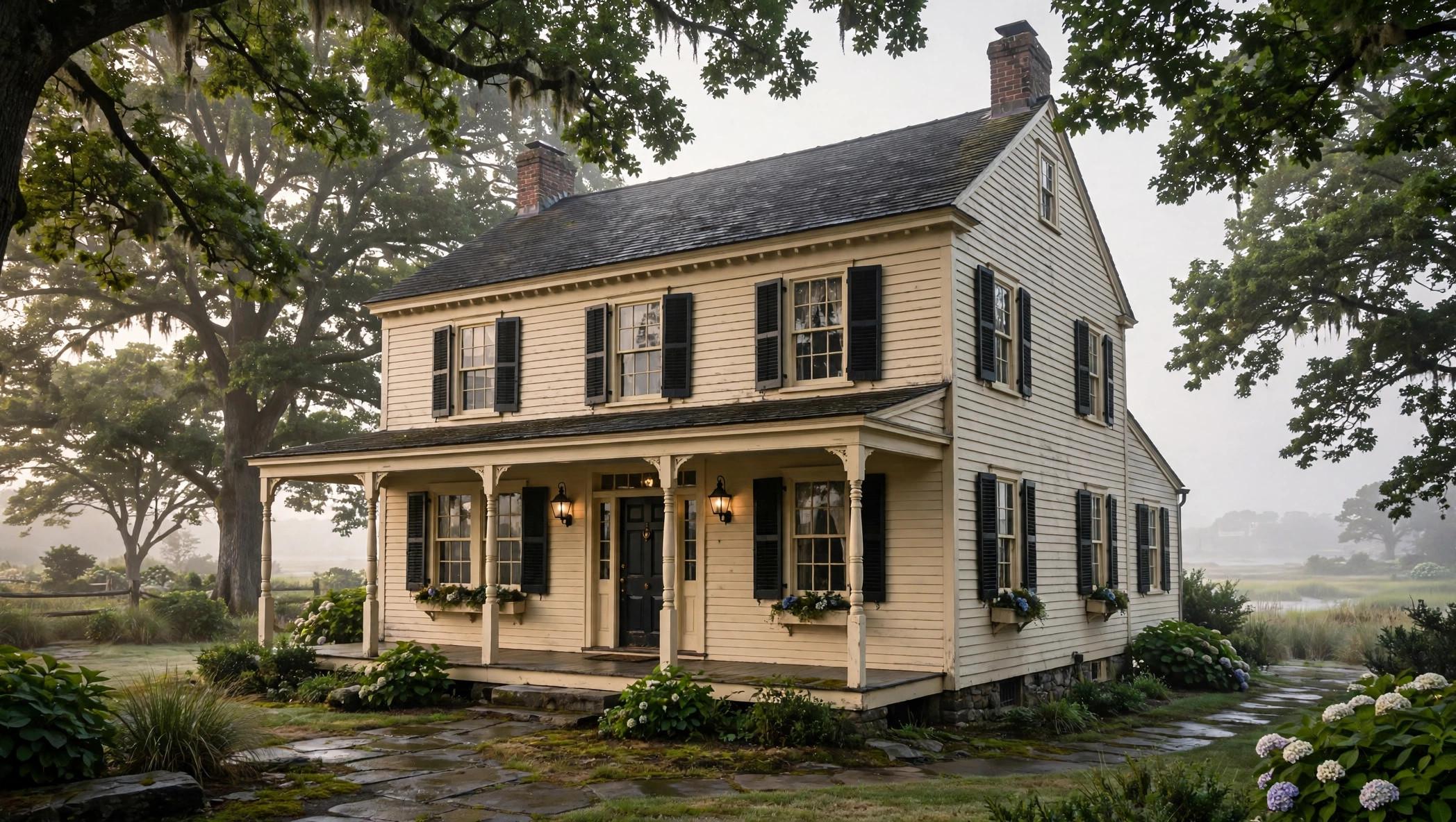
Much of South Jersey's housing stock predates 1978, when residential lead paint was banned. Ordinary renovation work — sanding, scraping, demolition — can turn intact lead paint into dust that settles through a home, and the risk is highest for children under six and pregnant occupants.
How we approach it
Lead changes how a project is planned, not just how it is cleaned up: testing before disturbance, containment of the work area, lead-safe work practices during the job, and verified cleaning at the end. For any project, ask to see the firm's current certifications and insurance before work begins — including ours.
What the work can include
- Pre-renovation lead planning for pre-1978 homes
- Containment and dust-control setup for renovation work
- Lead-safe work practices during demolition and surface prep
- Coordination of testing and clearance with qualified providers
- Integration with roofing, siding, kitchen, and bath scopes
- Documentation of methods used, kept with the project file
Coastal note
Older shore homes combine lead paint with moisture damage, which multiplies disturbed surface area when siding or trim is replaced. Planning the lead scope alongside the exterior scope — once — is cheaper and safer than discovering it mid-demolition.
Materials & options, explained plainly
Testing before disturbance
Lead is identified, not guessed: XRF testing or laboratory paint-chip analysis by qualified inspectors or risk assessors maps which surfaces carry lead before any work plan exists. A positive reading on one window does not condemn every wall, and a negative on one wall clears nothing elsewhere — the map is what the containment plan is built from.
Containment and work practices
Lead-safe work uses containment (sealed work areas with plastic sheeting), wet methods and HEPA-filtered sanding/vacuuming instead of dry scraping or open-flame burning, and prohibited-practice rules under the federal Renovation, Repair and Painting framework for pre-1978 homes. The crew, the paperwork, and the cleanup verification are all part of the method.
Stabilise, enclose, or replace
Not every lead surface must be removed. Intact lead paint can often be stabilised and enclosed or encapsulated with specialised coatings; friction surfaces like windows and doors are the priority because they generate dust in normal use. Component replacement suits deteriorated elements. The choice is per-surface, based on condition and use, and it is documented either way.
How the project runs
Assessment
We look at the actual condition on site — structure, materials, moisture, and access — before anyone talks about finishes.
Written scope
You get a scope that names what is included, what is not, and what could change the price if hidden conditions are found.
Build
Work proceeds in the order the structure needs it: sound substrate first, weather protection second, finishes last.
Walkthrough
We walk the finished work with you, note anything that needs attention, and close out the punch list before final payment is due.
Lead Paint & Older-Home Renovation — questions homeowners ask
How do I know if my home has lead paint?
Age is the first clue: homes built before 1978 are the risk group, and pre-1950 homes carry the highest likelihood. Only testing — by a qualified inspector or risk assessor — confirms it. A test result belongs in your project file before renovation is priced.
What should I ask any contractor before lead-related work?
Ask for the firm's current EPA Renovation, Repair and Painting (RRP) certification and any state credentials the work requires, proof of insurance, and a written description of containment and cleaning methods. A firm that does this work properly will produce those documents without hesitation.
Can we stay in the home during the work?
It depends on the area disturbed and who lives there. Contained work in one part of a house is often manageable; work that disturbs lead paint across living areas, with young children in the home, usually is not. That conversation happens at assessment, in plain terms, before anything is signed.
Does every pre-1978 home have lead paint?
No — but the probability climbs with age, and it cannot be settled by looking. Many pre-1978 homes have some lead paint somewhere, often buried under later layers and only hazardous when disturbed or deteriorating. Testing is the only way to know, and it is cheap relative to renovating blind. Our lead guide explains how testing fits into a normal remodel budget and timeline.
Can we just paint over lead paint?
Sometimes — encapsulation with products designed and rated for that purpose is a recognised control method, and simply painting over intact lead paint with ordinary paint can be acceptable stabilisation in the short term. Peeling, chipping, or friction surfaces are different: they need proper preparation under containment first. What is never acceptable is dry-scraping or sanding it into household dust and calling it prep.
Planning a bigger project? Read our homeowner guides or see how projects are documented.
Related services, areas & reading
Kitchen Remodeling
Kitchens planned around how you cook, built on a scope that survives contact with the real house.
See kitchen remodeling →Bathroom Remodeling
Bathrooms built watertight first and beautiful second — because in a wet room, that order is the quality.
See bathroom remodeling →Siding
Siding installation and replacement that seals the house against driven rain — and restores curb appeal.
See siding →Lead Paint & Older-Home Renovation is regularly scoped in Atlantic City, Camden, Egg Harbor Township — see all service areas. Start with the guide: Lead Paint in Pre-1978 South Jersey Homes: What Homeowners Must Know Before Renovating.
Request an estimate
Discuss your lead paint & older-home renovation project
Call (609) 289-6115 or send the form — the service and your town are all we need to start.